


Every new developmental milestone your baby reaches brings a rush of excitement and anticipation. You're always in awe of their development, from their first roll to their first smile. Among the most thrilling of these achievements is crawling – that first independent journey across the floor. You might be eagerly wondering: When do babies start crawling? It's a huge advancement in movement and discovery that gives your child access to an entirely new universe.

1. The Crawling Timeline: What to Expect & Why It Varies.
While it's exciting to anticipate, it's crucial to understand that crawling isn't a race, and every baby follows their own unique timeline.
Average Age Range
Most babies typically begin to crawl sometime between 6 and 10 months old. This is a broad range, reflecting the natural variability in infant development. It's quite typical for some babies to start a little earlier and others to take a little longer.
Individual Differences
It's vital to remember that baby development is not a competition. Your baby is unique, and their journey to crawling will be their own. Refrain from comparing your baby's development to that of others, as this can lead to needless anxiety.
Why Variation Exists
Several factors contribute to this variation. A baby's temperament, the amount of unstructured floor time they get versus time spent in "containers" (like swings or bouncers), their muscle tone, and even their sheer determination to reach a toy can all influence when they begin to crawl. What's most important is consistent progress, not a specific date.

2. The Prerequisites for Crawling: Building Strength & Coordination.
Crawling isn't a sudden event; it's the culmination of several months of hard work and physical development. Your baby needs to build specific strengths and coordination skills before they can propel themselves forward (or backward!).
Strong Neck & Core Muscles
The foundation for crawling begins with a strong neck and core. They need these muscles to raise their head, keep it steady, and stabilize their trunk. This strength is primarily developed through ample tummy time.
Upper Body Strength
Pushing up on their arms, eventually leading to pushing themselves onto their hands and knees, builds crucial upper body strength in their shoulders, arms, and wrists. This allows them to bear weight on their arms as they move.
Trunk Control & Balance
As your baby masters sitting independently, they develop better trunk control and balance. This is essential for maintaining a stable position on all fours and coordinating the alternating movements of their limbs.
Hand-Eye/Hand-Knee Coordination
Crawling requires complex coordination: knowing where to place their hands and knees, and moving opposite limbs together in a rhythmic pattern. This coordination develops over time through various movements and explorations.

3. More Than One Way to "Crawl": Exploring Different Styles.
Just as there are many paths to learning, there are many ways for a baby to crawl! If your infant develops a special way of moving around, don't be shocked. All these methods are valid forms of self-locomotion.
Classic Crawl (Cross-Crawl)
This is what most people picture: moving on hands and knees, with the opposite arm and leg moving forward simultaneously (e.g., right arm and left leg, then left arm and right leg). It's an efficient and common style.
Commando Crawl (Belly Crawl)
Sometimes called the "army crawl," babies use their arms to pull themselves forward, often dragging their tummy on the floor. This is a common first attempt at independent mobility.
Bear Crawl
In this style, babies keep their arms and legs relatively straight, moving like a bear. Their bottom is often higher in the air.
Crab Crawl
Some babies push off with one leg, causing them to move backward or sideways in a crab-like fashion. It might look unconventional, but if it gets them where they want to go, it's effective!
Scooting/Bum Shuffle
Some babies prefer to move on their buttocks, using their hands and feet to move forward or backward instead of using their hands and knees.

4. Encouraging the Crawling Journey: Your Role as a Facilitator.
You can play a significant role in fostering your baby's crawling development by providing a supportive and stimulating environment.
Prioritize Tummy Time
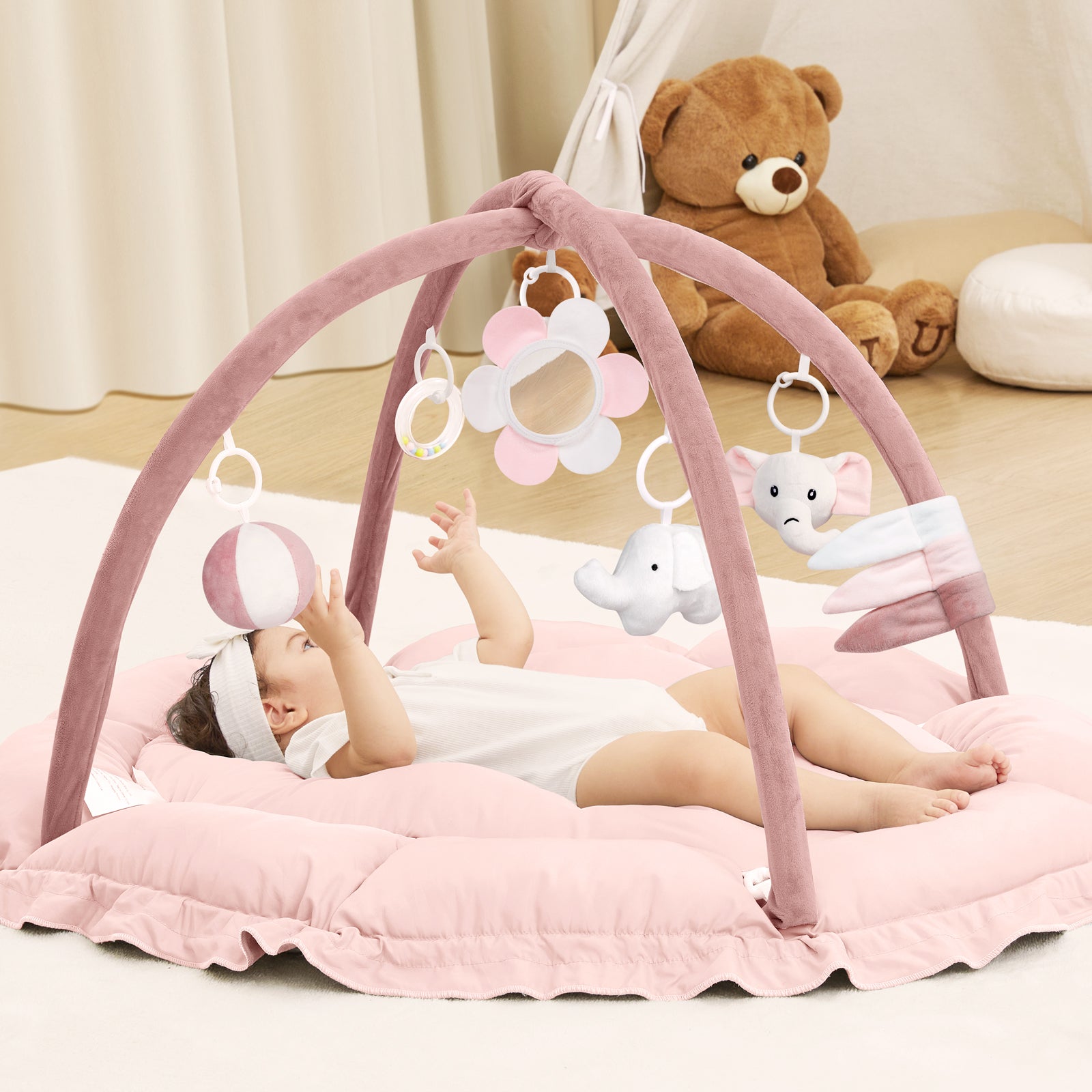
This is the single most effective activity for building the necessary neck, core, and upper body strength for crawling. Throughout the day, try to have brief, frequent sessions; if your kid becomes used to it, lengthen them. Make it fun with toys and interaction!
Create a Safe, Engaging "Exploration Zone"
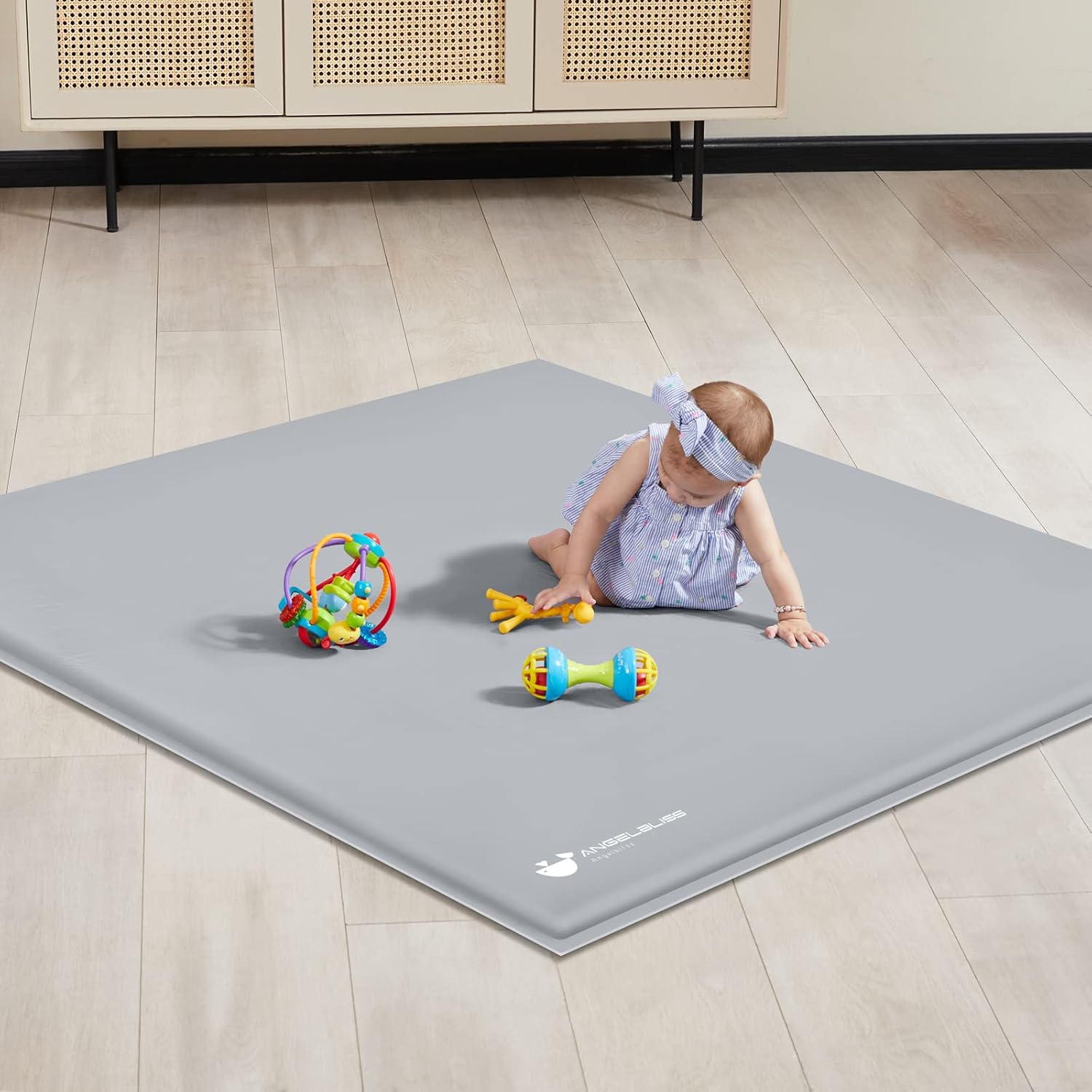
Designate a clear, safe floor space where your baby can move freely. Place interesting, safe objects just out of their reach to motivate them to stretch and eventually propel themselves forward.
Limit Time in "Containers"
While useful for short periods, excessive use of bouncers, swings, car seats, or other "containers" can limit your baby's opportunities for floor time and hinder muscle development needed for crawling. Provide plenty of unrestricted movement time. (For more on limiting container time, see our guide: [Baby Bouncer vs. Swing: Decoding the Differences for Comfort, Convenience & Safety.]).

Get Down on Their Level
Engage with your baby on the floor. Get down on your hands and knees and "crawl" with them, or place yourself slightly out of reach to encourage them to move towards you. Your interaction is a powerful motivator.
Use Motivation Effectively
Place a favorite toy or a shiny object just a little too far for them to grab while lying or sitting. This gentle frustration can motivate them to figure out how to bridge the gap.
5. Baby-Proofing Your Home: Essential Safety Before They Crawl.
Once your baby starts showing even the slightest signs of wanting to move, it's time to get down on their level and thoroughly baby-proof your home. Safety is paramount as they begin to explore independently.
Block Access to Stairs
Install sturdy safety gates at both the top and bottom of any stairs in your home to prevent dangerous falls.
Secure Furniture
Use anti-tip kits to secure large pieces of furniture, such as TVs, bookcases, and dressers, to the walls. As babies pull themselves up, unsecured furniture can easily tip over.
Cover Outlets
All accessible electrical outlets should have safety covers installed to keep inquisitive fingers away from live wires.
Safe Drawers & Cabinets
Use childproof latches or locks on any cabinets and drawers that contain hazardous materials, sharp objects, or anything you don't want your baby to access.
Clear Floor Hazards
Get down on your hands and knees and survey your floor from a baby's perspective. Eliminate any small items that might present a choking hazard, loose cords, or other such risks.
Put in Safety Locks
Consider installing safety locks on toilet seats and appliance doors (like ovens or dishwashers) if they are within your baby's reach.
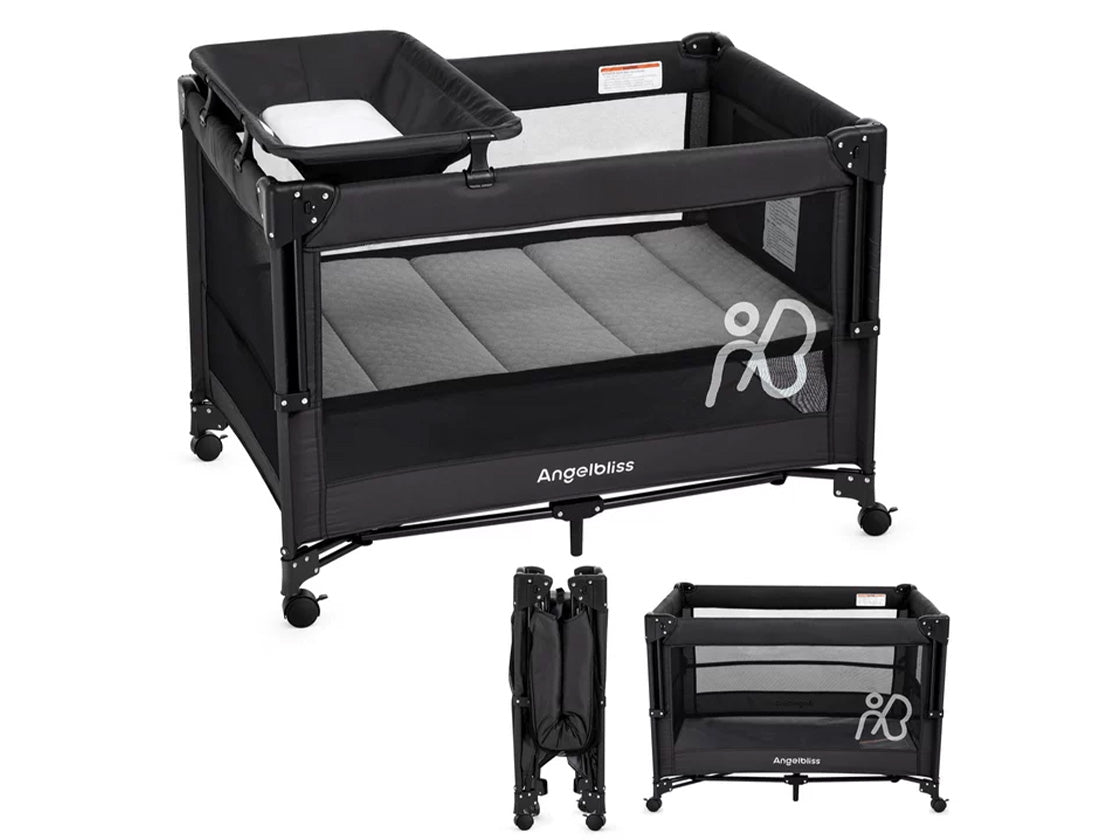
(Creating designated safe play zones with products like Angelbliss Playards can also provide a secure, contained space for your baby to explore before they have a full run of the house. [Explore Angelbliss Playards: What is a Pack and Play? Your Go-To Guide for Busy Parents.)

6. When to Consult Your Pediatrician About Crawling.
While there's a wide range for when babies start crawling, and many different ways to do it, there are a few instances when it's wise to consult your pediatrician.
No Attempt at Independent Movement by 12 Months
If your baby shows no desire or ability to move independently (whether crawling, scooting, or shuffling) by their first birthday, it's worth a discussion with your pediatrician.
Asymmetrical Movement
If your baby consistently favors one side of their body, always drags a limb, or seems to move in a noticeably lopsided way, this could be a sign of a muscle imbalance or other developmental concern.
Significant Delay in Other Motor Milestones
If delays in crawling are part of a broader pattern of concerns regarding other gross or fine motor skills, your pediatrician can offer guidance and assess if further evaluation is needed.
Loss of Previously Gained Skills
Any regression, such as losing a previously mastered motor skill, is always a red flag and warrants immediate medical consultation.

Celebrating Every Unique Step
When do babies start crawling? The answer, as we've seen, is wonderfully diverse. It's an amazing milestone that typically occurs between 6 and 10 months, but every baby develops at their own unique pace and style. Your role as a parent is to facilitate this journey by providing opportunities for strength building, creating a safe and stimulating environment, and celebrating every unique movement your little explorer makes.
Focus on readiness, not a strict timeline. With your love, support, and a baby-proofed home, your little one will soon be on the move, discovering their world one exciting crawl at a time!