

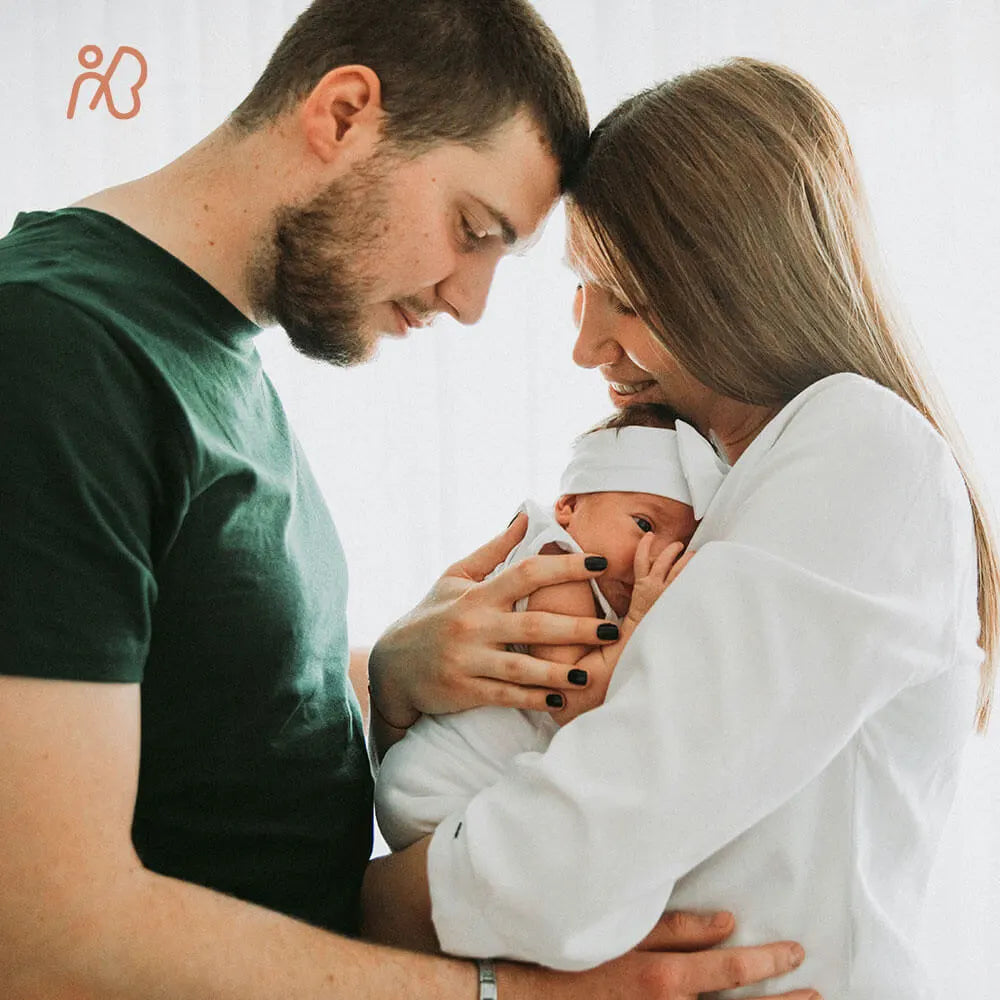

New parents face many choices, and co-sleeping is among the most debated.
For many families, co-sleeping feels natural. It makes nighttime feeding easier, helps soothe a crying baby faster, and can create a sense of closeness. However, it also poses significant safety concerns.
So, is co-sleeping with a baby actually safe? And if not, what’s the best alternative?
Before we dive in, let’s look at what co-sleeping means, and then explore everything you need to know — from benefits and risks to expert recommendations and safer sleep solutions.

What Does Co-Sleeping with a Baby Mean
Sleeping near your baby is referred to as co-sleeping. Typically, it consists of two distinct practices:
1. Bed-Sharing
It also means that you and your child share a bed.

2. Room-Sharing
This means that your baby sleeps on a different sleeping surface, such as a crib or bassinet, yet in the same room. While both are considered forms of co-sleeping, they are not equally safe.

Most pediatric experts recommend room-sharing without bed-sharing, as it keeps parents close to their baby while maintaining a safe sleep environment.
Why Do Parents Choose Co-Sleeping?
Many parents turn to co-sleeping out of necessity rather than preference. It can be extremely demanding to care for a newborn, particularly at night.
Easier Nighttime Feeding
When your baby is right next to you, feeding — especially breastfeeding — becomes much more convenient.
Faster Soothing
Babies wake frequently in the early months. Being close allows you to respond quickly, which can reduce crying and help everyone get back to sleep sooner.
Emotional Comfort and Bonding
Sleeping near your baby can create a sense of connection and reassurance for both parent and child.

However, while these benefits exist, they don’t automatically make bed-sharing safe.
Is Co-Sleeping with a Baby Safe?
At this point, things start to become serious.
What Experts Say
Organizations like the American Academy of Pediatrics (AAP) recommend:
· ❌ Avoid bed-sharing, especially for infants
· ✅ Practice room-sharing for at least the first 6 months
This recommendation is based on strong evidence linking unsafe sleep environments to increased risks of injury and sleep-related deaths.
When Co-Sleeping Becomes Dangerous
Certain situations significantly increase the risks associated with co-sleeping:
· Babies under 4 months old
· Premature or low birth weight infants
· Sleeping on soft surfaces (like couches or soft mattresses)
· Use of pillows, blankets, or loose bedding
· Parents who smoke, drink alcohol, or are overly fatigued
Even small factors can make a big difference in safety.
Risks of Co-Sleeping with Baby
Making an informed choice requires an awareness of the dangers.
Sudden Infant Death Syndrome (SIDS)
Bed-sharing has been associated with a higher risk of SIDS, particularly in unsafe environments.
Suffocation Risk
Soft bedding, pillows, or even a parent’s body can accidentally block a baby’s airway.
Overlay Risk
This occurs when a parent unintentionally rolls over onto the baby during sleep.
Unsafe Sleep Positions
It is not advised for babies to sleep on their sides or stomachs.

Are There Any Benefits of Co-Sleeping?
Despite the risks, some parents still consider co-sleeping, weighing these risks against its perceived advantages.
· Supports breastfeeding routines
· May reduce nighttime stress
· Promotes bonding
However, it’s important to understand:
Benefits do not eliminate risks.
That’s why many experts encourage safer alternatives that provide similar convenience without compromising safety.
Safe Sleep Guidelines for Babies
If you are considering co-sleeping, following strict safety guidelines is critical.
If You Choose to Bed-Share (Risk Reduction Tips)
· Use a firm, flat mattress
· Keep pillows, blankets, and soft objects away from the baby
· Always place your baby on their back
· Avoid gaps between the mattress and the wall
· Never sleep on a couch or armchair with your baby
Even with these precautions, risks cannot be fully eliminated.
The Safest Alternative: Room-Sharing Without Bed-Sharing
Room-sharing balances safety and convenience.
It allows you to:
· Stay close to your baby
· Respond quickly at night
· Maintain a separate, safe sleep space
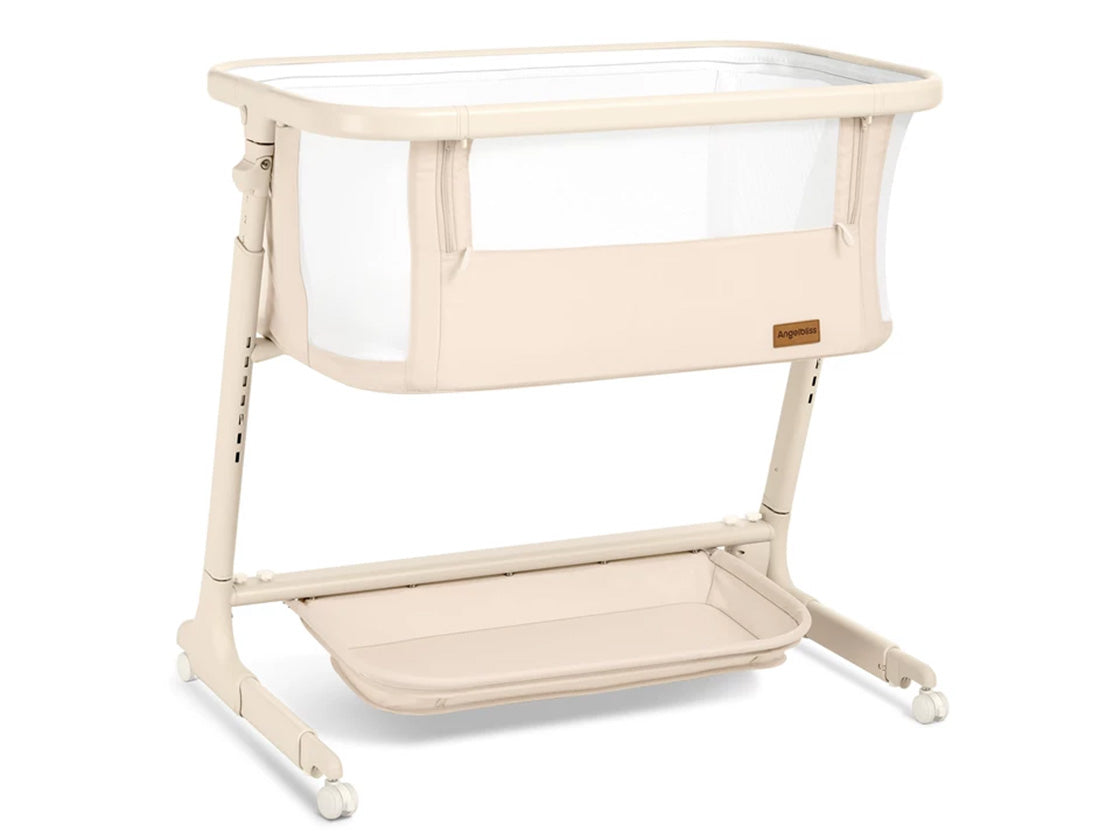
A bedside bassinet provides this safe, convenient solution.
A Smarter Alternative to Co-Sleeping: Bedside Bassinets
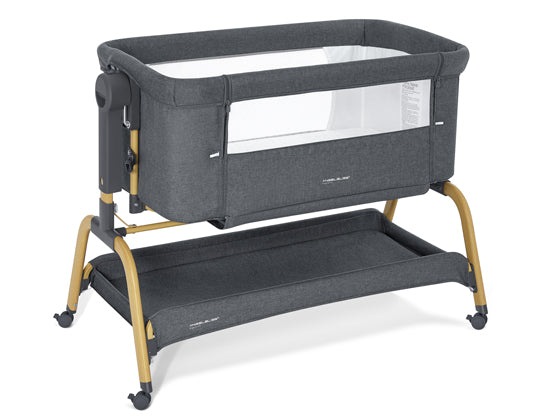
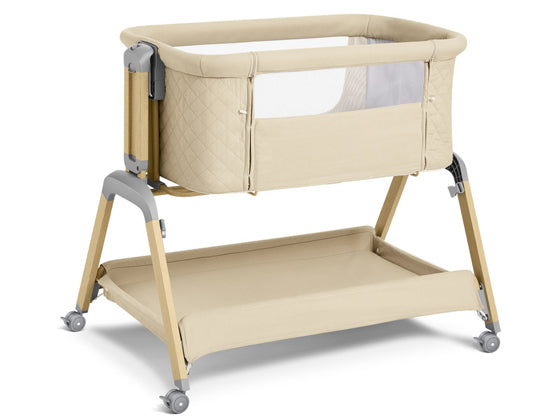
If you want closeness without the risks of bed-sharing, a bedside bassinet is one of the safest and most practical solutions.
Unlike traditional cribs, a bedside bassinet is designed to sit right next to your bed, giving your baby a dedicated sleep space while keeping them within arm’s reach.
Discover safe sleep solutions—shop our Baby Bassinet collection today:
https://angelbliss.us/collections/baby-bassinets
https://angelbliss.us/collections/baby-bassinets

Why a Bedside Bassinet is a Safer Choice
Here’s why many modern parents are choosing this option:
✔ Safe Separate Space
Your baby has their own protected sleep area, reducing the risk of suffocation or overlay.
✔ Easy Night Access
You don't need to get out of bed to feed, calm, and check on your infant.
✔ Designed for Stability and Breathability
Modern bassinets are built with safety-focused materials and structure.
Benefit: Peace of mind
Feature: Side-open or bedside attachment design
Advantage: Safety + convenience without compromise
Feature: Side-open or bedside attachment design
Advantage: Safety + convenience without compromise
Tips for Better Sleep Without Co-Sleeping
You don’t have to rely on bed-sharing to help your baby sleep well.
Build a Consistent Sleep Routine
· Same bedtime each night
· Calm pre-sleep activities
Create a Comfortable Sleep Environment
· Keep the room quiet and dim
· Maintain a comfortable temperature
Use Soothing Tools
Gentle motion and calming environments can help babies settle faster.
For example, many parents use baby swings during the day to help regulate sleep patterns and soothe fussiness. Discover calming solutions for your baby at Baby Swing.
Frequently Asked Questions About Co-Sleeping with Baby
Is co-sleeping safe for newborns?
Bed-sharing is generally not recommended for newborns due to higher safety risks. Room-sharing is considered safer.
At what age is co-sleeping safer?
Risks decrease as babies grow, but experts still recommend separate sleep surfaces during infancy.
Can co-sleeping cause SIDS?
Unsafe sleep environments associated with co-sleeping can increase the risk of SIDS.
Which method of sleeping with a newborn is the safest?
The safest method is:
· Baby on their back
· Firm sleep surface
· Separate sleep space in the same room
Final Thoughts
Co-sleeping with your baby can feel comforting and convenient — especially during those exhausting early months. But it’s important to weigh those benefits against the real safety risks.
The good news is, you don’t have to choose between closeness and safety.
With solutions like bedside bassinets, you can keep your baby close, respond quickly, and sleep with greater peace of mind. Start your journey to safer, more restful nights today.
Because the best sleep for your infant is always one that is safe.