




Observing your baby during sleep, you might occasionally notice them shifting positions, perhaps even rolling onto their tummy. A common question (and often a significant concern) for parents is: Can babies sleep on their stomachs? This is a critical inquiry directly tied to infant safety, and understanding the definitive answer is paramount for every caregiver.

1. Why "Back to Sleep" is Paramount.
When it comes to infant sleep position, there is a clear and consistent recommendation from medical experts globally.
Unanimous Expert Recommendation
The American Academy of Pediatrics (AAP) and all leading health organizations involved in infant safety strongly recommend that babies always be placed on their back to sleep for every nap and every night. This recommendation stands until they reach 1 year of age. This means whether it's a quick 20-minute snooze or a full night's rest, your baby should start on their back.
Direct Link to SIDS Prevention
The "Back to Sleep" campaign, initiated in the early 1990s, has had a dramatic and life-saving impact. Since its widespread adoption, rates of Sudden Infant Death Syndrome (SIDS) have been reduced by more than 50%. This strong data emphasizes how crucial it is for babies to sleep on their backs.
2. Why Stomach Sleeping is Risky for Infants.
It’s crucial to understand why placing a baby on their stomach to sleep is so strongly discouraged. The risks are well-documented and primarily revolve around challenges to their breathing and physiological regulation.
Increased SIDS Risk
Stomach sleeping is consistently identified as the number one modifiable risk factor for SIDS. This means it is the single biggest factor that parents can change to reduce their baby's risk. The mechanisms behind this link are thought to include difficulty breathing and potential rebreathing of exhaled air.
Rebreathing Exhaled Air (CO2 Accumulation)
When a baby sleeps face down, especially on soft surfaces like mattresses, quilts, or pillows, they can rebreathe their own exhaled carbon dioxide (CO2). This leads to an accumulation of CO2 around their face and a reduction of fresh oxygen in their blood. Babies, particularly young infants, may not have the arousal reflexes to wake themselves up from this dangerous situation, even when experiencing low oxygen levels.
Airway Obstruction
In the prone (stomach) position, a baby's face is more likely to be pressed into a mattress or any soft bedding. This may physically obstruct their nose and mouth, making breathing difficult or impossible. This risk is amplified in infants who lack the muscle strength to lift or turn their head adequately to clear their airway.
Overheating
Stomach sleeping makes it harder for babies to release excess body heat. This can lead to overheating, which is another independently identified risk factor for SIDS. Overheating is a serious worry for babies since they are less adept than adults at controlling their body temperature.
3. When Your Baby Can Roll: The Key Distinction (and What to Do).
Parents are frequently confused by this. What happens when your baby learns to roll over?
The Autonomous Rolling Milestone
Once your baby develops the ability to consistently roll from their back to their stomach and, crucially, from their stomach back to their back, they have reached a significant developmental stage. Usually, this occurs between the ages of 4 and 6 months. At this point, the risk associated with stomach sleeping (if they self-roll into that position) significantly decreases because they can independently reposition themselves.
The Golden Rule Still Applies (for Initial Placement)
Even if your baby has mastered rolling both ways, the Golden Rule of "Back to Sleep" still applies for initial placement. Always put them to sleep on their back. You usually don't need to move them if they turn onto their stomach on their own while they're sleeping. They have the muscle control to extricate themselves out of a dangerous situation if they can roll both ways.
Ensuring a Safe, Bare Sleep Space is Critical
This rule becomes even more vital once your baby can roll. If your baby rolls onto their stomach, the sleep surface must remain completely bare – no loose blankets, no pillows, no bumper pads, no stuffed animals, and no toys. A bare crib or bassinet ensures that if they do roll, there are no soft objects to obstruct their breathing. (For details on creating this ideal sleep environment, refer to: Can Baby Suffocate on Side of the Bassinet? Understanding the Risks and Safe Sleep Design.

4. Setting Up the Safest Sleep Environment (The AAP's "Alone, Back, Crib" Message).
Beyond sleep position, the overall sleep environment is paramount for reducing SIDS risk. The AAP's "Alone, Back, Crib" message summarizes the key elements:
Sleeping Alone in Their Own Room
Your infant should have their own sleeping area and sleep by themselves. This means room-sharing (baby in their own bassinet or crib in your room) is recommended, but bed-sharing (baby in bed with you) is not. The risks of bed-sharing include suffocation, strangulation, and entrapment by soft adult bedding or a parent accidentally rolling onto the baby.
On the back of them
As previously said, put your infant on their back for both nighttime and napping.
In a Safe Crib/Bassinet
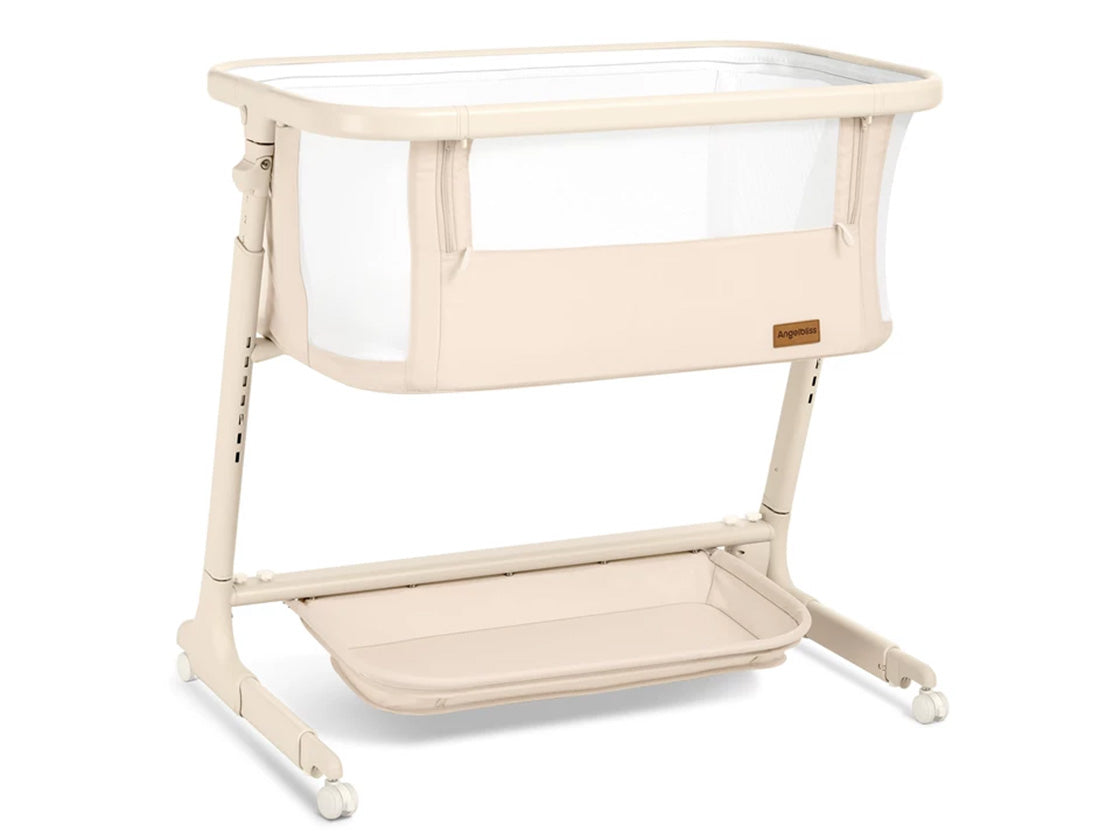
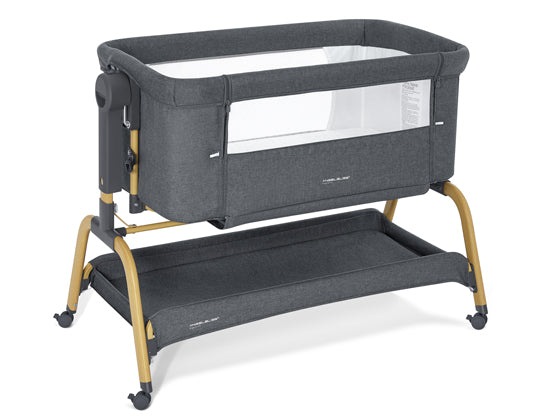
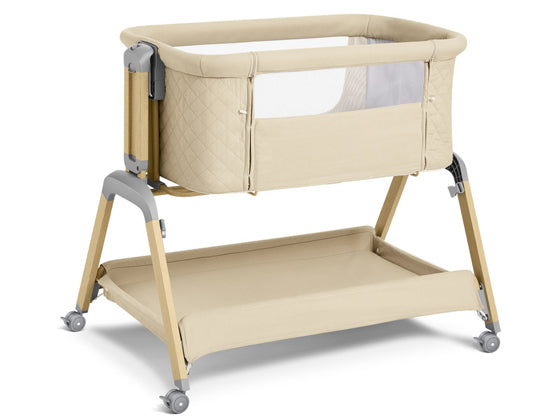
Your baby should sleep on a sleep surface specifically designed for infants. This means a firm, flat mattress (not soft or inclined), covered only with a fitted sheet. The sleep space should be entirely bare, free from any loose blankets, pillows, bumper pads, stuffed animals, or other soft objects.
(For a comprehensive guide on selecting the safest sleep equipment, explore: Choosing the Safest Bassinet: Expert Tips & Essential Safety Standards).

5. Addressing Common Parental Concerns & Scenarios.
It's natural to have questions as you navigate safe sleep practices.
"My Baby Seems to Prefer Tummy Time / Sleeps Better on Their Stomach"
While some babies may appear to settle more easily on their tummy, the increased SIDS risk associated with stomach sleeping makes it unsafe for unsupervised sleep. Prioritize supervised tummy time for awake play and strengthening neck and core muscles. When your baby goes to sleep, always put them on their back.
"What if My Baby Rolls Over During Sleep?"
As discussed, if your baby is placed on their back and then rolls themselves onto their stomach, you generally do not need to reposition them. This is because their ability to roll indicates they have the necessary strength and control to get themselves out of an unsafe position. Just ensure their sleep environment is otherwise completely safe and bare.
When to Transition from Swaddling
For new babies, swaddling can be a reassuring technique, but it must end as soon as your infant tries to roll over. Suffocation risk is much increased when a swaddled infant rolls onto their stomach since they are unable to use their arms to push up or reposition their head.
(Learn more about safe sleepwear transitions: The Safe Sleep Guide: When Can Babies Sleep With A Blanket?).

6. When to Consult Your Pediatrician.
Always trust your parental instincts. While adherence to "Back to Sleep" is crucial, some situations warrant a conversation with your pediatrician.
Persistent Rolling Before 4 Months
If your baby consistently rolls from back to stomach at a very young age (e.g., significantly before 4 months), it's worth discussing this with your pediatrician. They can provide direction and make sure there aren't any hidden issues.
Having Trouble Rolling Back
If your baby is able to roll from their back to their tummy but consistently struggles or is unable to roll back to their back, consult your pediatrician. This can suggest that their motor development needs to be further evaluated.
Any Issues With Development or Breathing
Always seek professional medical advice for any persistent worries about your baby's breathing patterns, overall development, or any other health concerns. Your primary source of professional medical advice is your pediatrician.
Safe & Restful Sleep is the conclusion
The question of whether babies can sleep on their stomachs has a clear and critical answer: no, they should always be placed on their backs to sleep. Understanding the dangers, especially the link to SIDS, and adhering to the "Back to Sleep" recommendations, is the single most impactful action you can take to safeguard your newborn.
By creating a bare, firm, and flat sleep environment, placing your baby on their back, and being informed about developmental milestones, you empower yourself to make safe choices. This information guarantees quiet evenings and promotes your child's healthy growth.