

You're not alone if you've watched videos that say you can put a baby to sleep in 40 seconds. For exhausted parents, it sounds like a dream. But here’s the truth: No guaranteed method works for every baby in 40 seconds. What is real, however, is this: Certain calming techniques can help your baby settle much faster — sometimes within seconds — when used correctly and safely.
In this guide, we’ll show you what actually works, what’s backed by experts, and how to help your baby fall asleep faster without compromising safety.

Can You Really Put a Baby to Sleep in 40 Seconds?
The idea comes from viral techniques like:
- Gentle face stroking
- Rhythmic motion
- White noise
These methods can quickly calm a baby, but falling fully asleep depends on:
- Age and development
- Sleep routine consistency
- Sleep environment
A more accurate expectation is:
You can reduce the time it takes for your baby to fall asleep, but not control it completely.
Why Babies Have Trouble Falling Asleep
Understanding this is key to making any technique work.
Common reasons include:
- Overtiredness (most common)
- Overstimulation before bedtime
- Hunger or discomfort
- Inconsistent sleep routines
Babies don’t resist sleep randomly — their bodies are simply not ready.
5 Secure Methods to Help Infants Sleep Quicker
When utilized properly, these techniques are popular and endorsed by pediatric sleep practices.
1. Gentle Face Stroking
Lightly stroking your baby’s forehead or between the eyebrows can trigger a calming reflex.
Why it works:
- Encourages eye closure
- Activates the relaxation response
Best for newborns and young infants. Always use a gentle, slow motion.
2. The “5 S’s” Soothing Method
A well-known calming approach:
- Swaddling (for young babies)
- Side or stomach position only while soothing (not for sleep)
- Shushing sounds
- Gentle swinging motion
- Sucking (pacifier or feeding)
This mimics the womb environment and helps babies settle faster.
3. Gentle Motion (With Safety in Mind)
Motion can calm babies quickly because it resembles the movement they felt before birth.
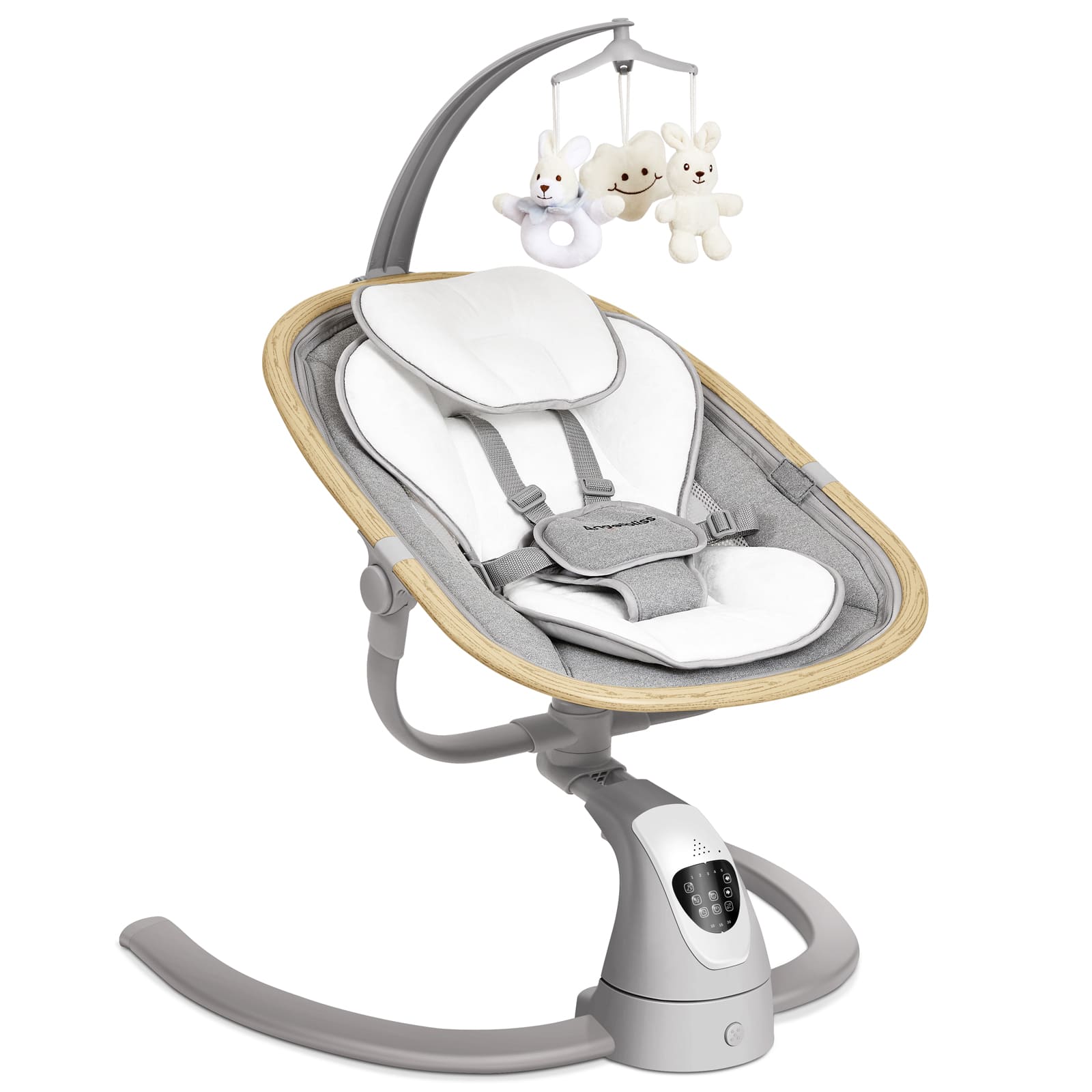
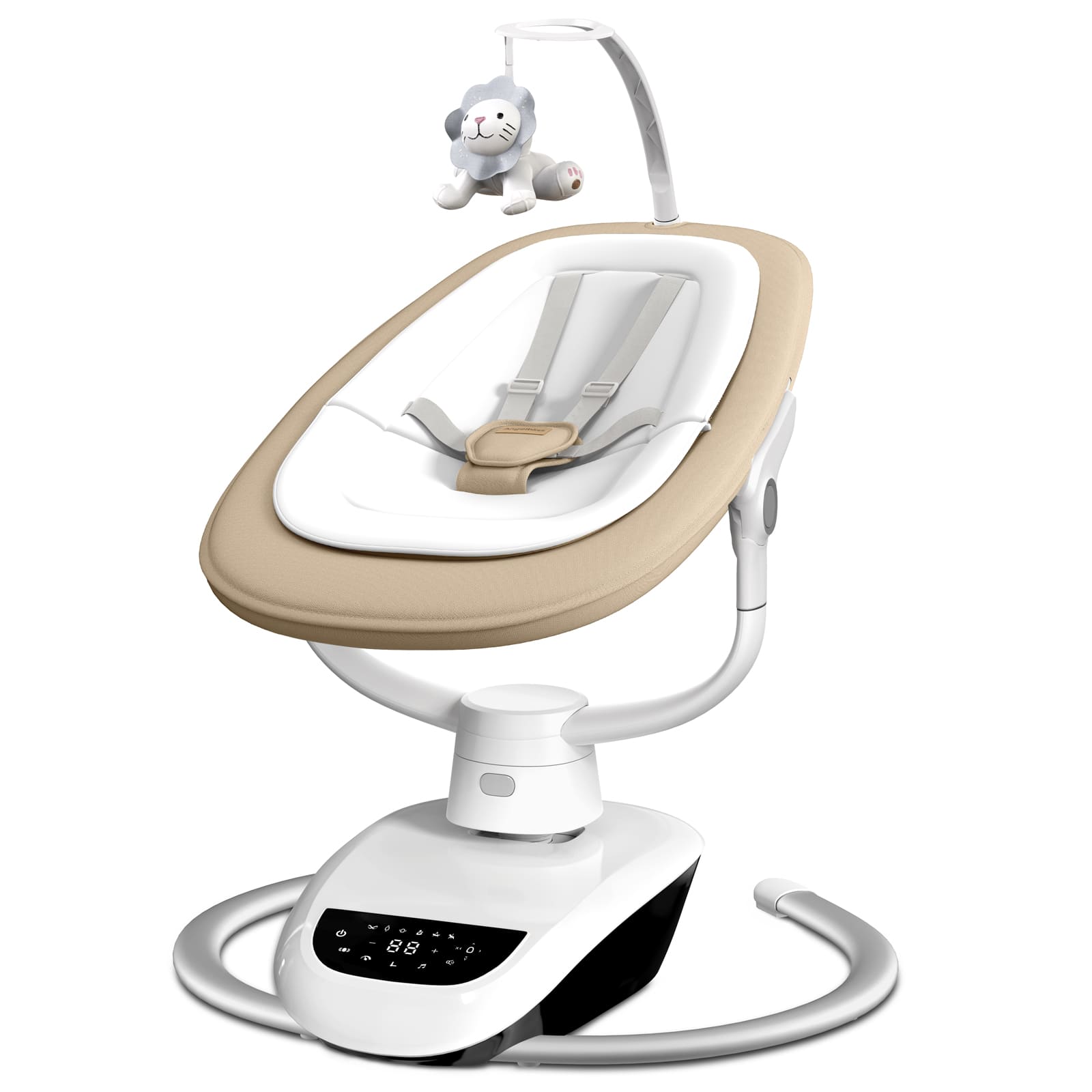
Many parents use tools like baby swings to help soothe fussiness.

However, this is critical:
According to the American Academy of Pediatrics:
- Swings and similar devices are not safe for routine sleep
- Babies should not sleep for extended periods in sitting devices
Correct use:
- Use motion to calm your baby
- Once drowsy or asleep, move your baby to a flat, firm sleep surface
Benefit: Quick calming
Feature: Gentle, consistent motion
Advantage: Helps baby relax faster without overexertion
4. White Noise or Shushing Sounds
White noise helps block sudden sounds and creates a consistent sleep cue.
Why it works:
- Mimics womb sounds
- Reduces environmental disturbance
Keep the volume low (about the level of a soft shower) and place the device at a safe distance.
5. Skin-to-Skin or Close Contact
Holding your baby close can regulate:
- Heart rate
- Breathing
- Stress levels
This often leads to faster calming and easier sleep transitions.
The Most Important Factor: Safe Sleep Environment
Even the best technique won’t work well — or safely — without the right setup.
The American Academy of Pediatrics and the Centers for Disease Control and Prevention state that safe sleep necessitates:
- Baby placed on their back
- A firm, flat sleep surface
- No pillows, blankets, or toys
- A separate sleep space
This is essential for reducing risks like suffocation and SIDS.
Why Sleep Environment Matters More Than “Quick Tricks”
Many “40-second sleep” methods fail because:
- The baby is moved between different sleep locations
- There is no consistent sleep association
- The environment is not comfortable or safe
Babies fall asleep faster when the environment feels familiar and secure.
A Safer Method for Accelerating Your Baby's Sleep
Instead of relying on quick tricks alone, combine soothing with a consistent sleep space.
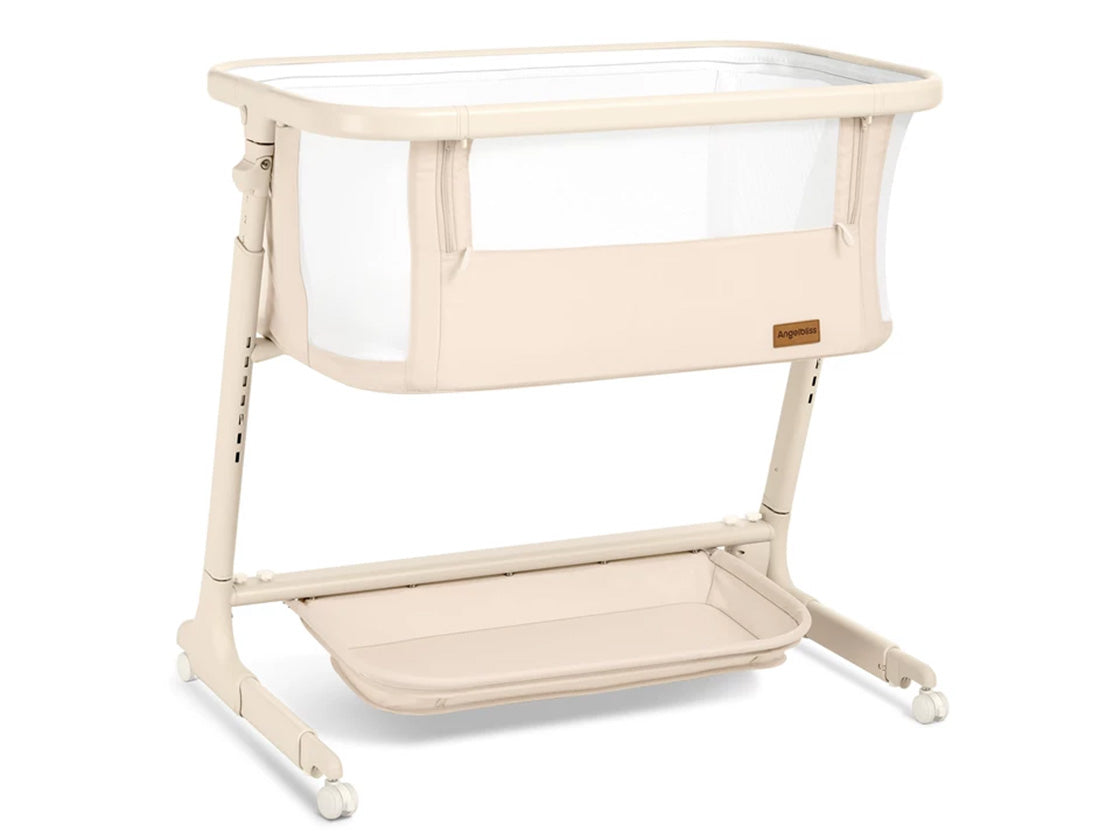
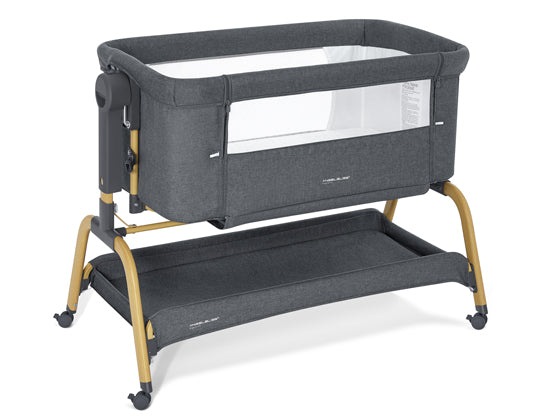
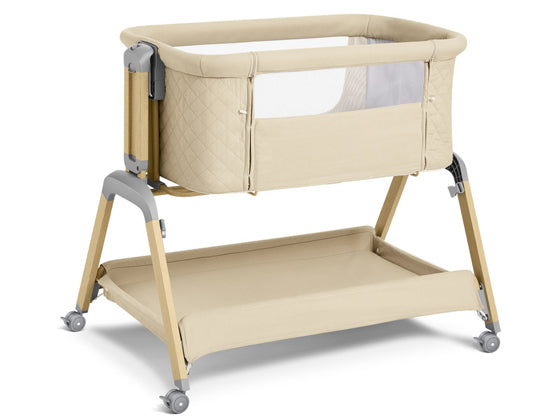
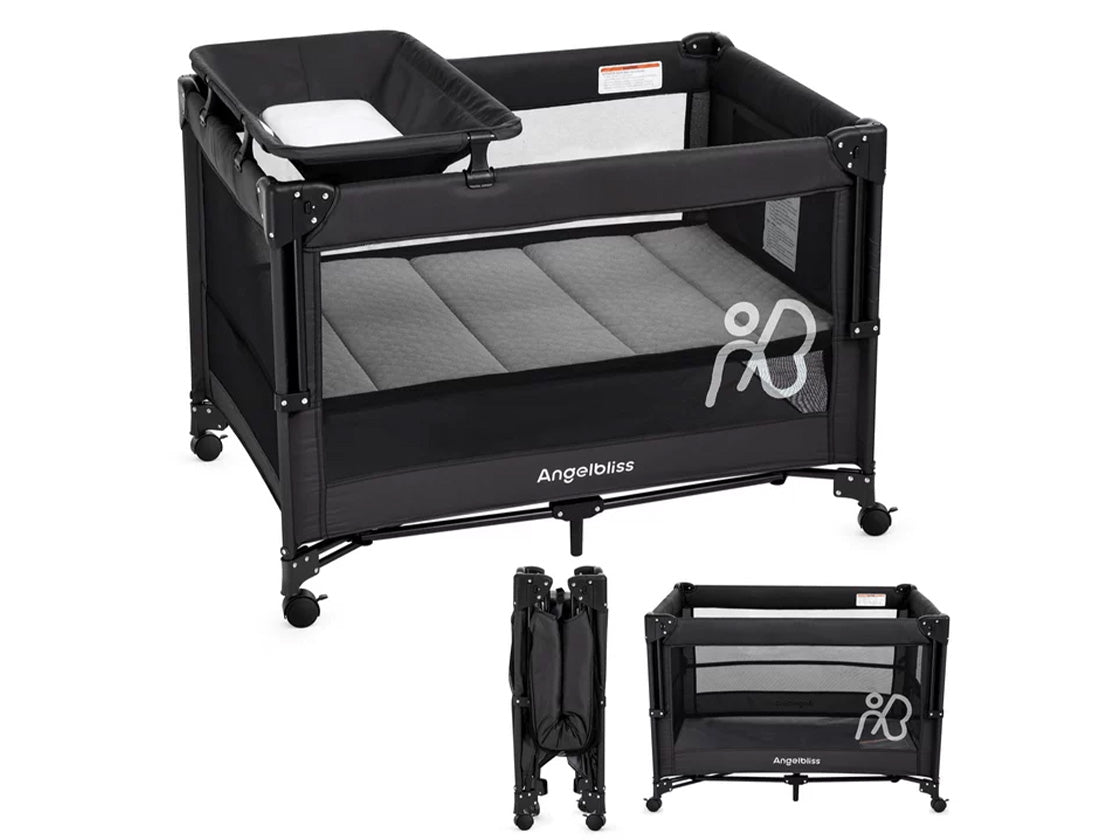
Using a specialized bassinet is one of the best options.
You can explore safe sleep options here:

Why a Bassinet Supports Faster and Safer Sleep
Consistent sleep association
Babies learn where to sleep, making it easier to settle over time.
Firm, flat, and breathable design
Aligned with safe sleep recommendations.
Keeps baby close without bed-sharing
Supports quick response at night while maintaining safety.
Benefit: Better sleep habits
Feature: Compact, bedside-friendly design
Advantage: Faster sleep with reduced risk
A Realistic “40-Second” Sleep Routine
Use a combination of techniques rather than just one:
- Dim lights and reduce stimulation
- Turn on white noise
- Hold or gently soothe your baby
- Use a light touch, such as face stroking
- Place the baby in the bassinet while drowsy
This increases the likelihood that your baby will settle quickly.
Common Mistakes That Make Sleep Harder
Avoid these:
- Waiting until your baby is overtired
- Letting the baby fall asleep in unsafe positions
- Relying only on holding or motion
- Inconsistent sleep locations
Frequently Asked Questions
Can all babies fall asleep in 40 seconds?
No. Some may settle quickly, but sleep depends on many factors, like age and routine.
Can infants sleep in swings without risk?
No. Swings can be used for soothing, but babies should be moved to a flat, firm surface for sleep.
Which location is the safest for a baby to sleep?
A crib or bassinet in the same room as the parents that has a level, hard surface.
What helps babies fall asleep the fastest?
A combination of:
- Calm environment
- Gentle soothing
- Consistent sleep space
Final Thoughts
There is no magic method to put a baby to sleep in 40 seconds, but there are safe and effective ways to help your baby fall asleep faster and more smoothly.
By combining proven soothing techniques with a safe and consistent sleep environment, you can reduce bedtime stress and support healthy sleep habits.
Because when it comes to your baby, fast sleep only matters if it is also safe sleep.
