


The first tooth is a joyous milestone, a tiny pearly white sign of growth and change! However, getting there might be a difficult journey. When your baby starts fussing, drooling, and chewing on everything in sight, a common and urgent question often arises: Do babies sleep more when teething? It's natural to wonder how this discomfort affects their precious sleep, and if perhaps, extra sleep is their way of coping.

1. Do Babies Sleep More When Teething?
Many parents, understandably, hope that teething discomfort might lead to a baby sleeping more, perhaps to "sleep off" the pain. However, the truth is frequently exactly the reverse.
The Typical Misconception
It's a widespread hope or a perceived observation that a baby might sleep more during teething, perhaps drifting off more easily or taking longer naps. This can sometimes be confused with true, restful sleep.
Reality: Teething Usually Disrupts Sleep
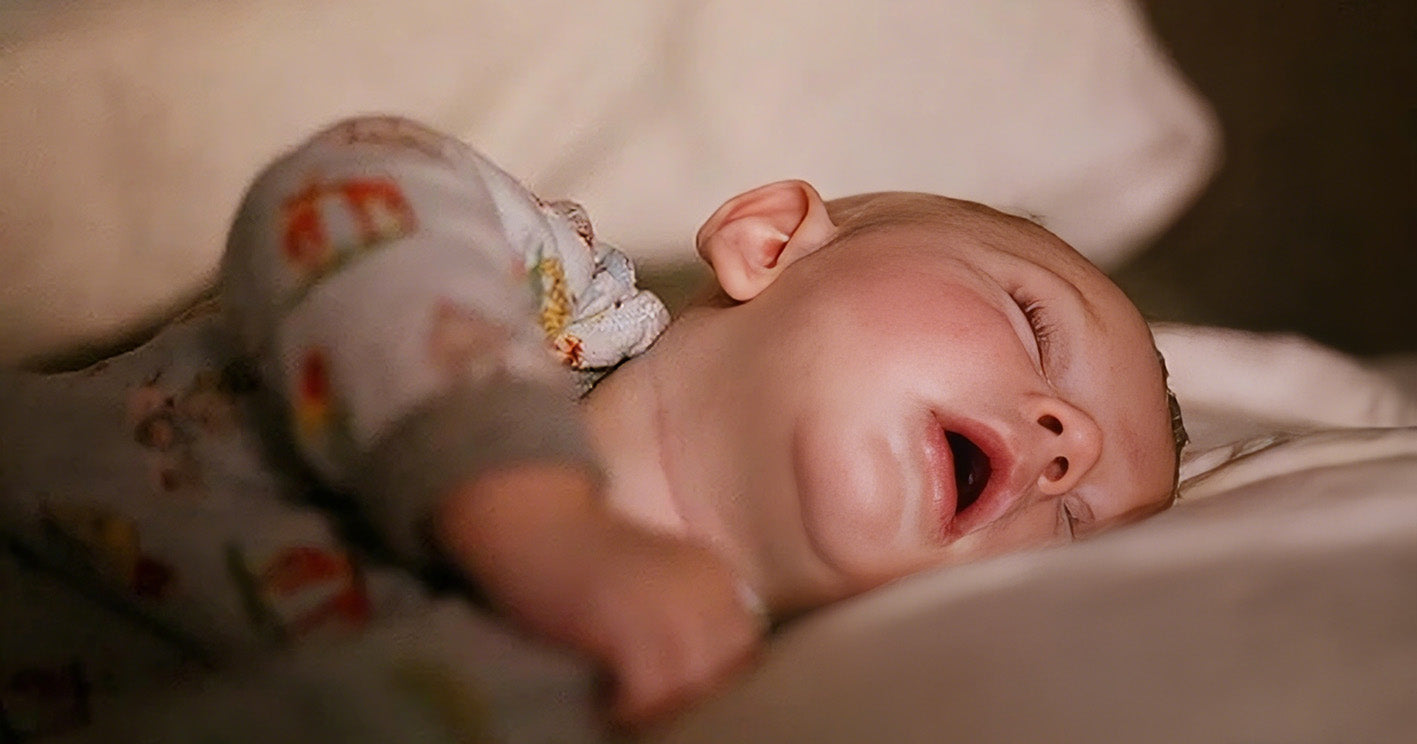
For most babies, teething discomfort actually disrupts sleep, rather than increasing it. When a new tooth is trying to break through, it causes swelling and tenderness in the gums, which can be particularly bothersome at night when there are fewer distractions. You're more likely to see:
Increased Night Wakings: Your baby might wake up more frequently, crying due to pain.
Difficulty Falling Asleep: They may find it more difficult to fall asleep or take naps due to the discomfort.
Shorter Naps: Pain can interrupt daytime sleep, leading to naps that are shorter than usual.
Increased Fussiness During Sleep: Even when seemingly asleep, babies might whimper, grunt, or squirm more due to underlying discomfort.
Why the Confusion? Daytime Drowsiness
If you notice your baby is more sleepy during the day when teething, it's often not a sign of more overall sleep, but rather a coping mechanism for the pain and exhaustion from disrupted night sleep. Their body might be trying to catch up on lost rest, leading to increased daytime drowsiness or slightly more frequent, but still possibly fragmented, naps.

2. How Teething Really Affects Your Baby's Sleep.
Beyond just general fussiness, here's a deeper look at the specific ways teething discomfort can impact your baby's ability to achieve restful sleep.
Pain & Discomfort
Swollen, tender gums cause direct pain and pressure as a tooth pushes through. This discomfort frequently peaks at night, making it difficult for your baby to fall asleep and stay asleep. The lack of daytime distractions means they are more aware of the pain when lying quietly.
Fussiness & Irritability
General discomfort from teething makes babies more irritable throughout the day, and this carries over into their sleep. An irritable baby finds it harder to relax into sleep and is more prone to waking up feeling unsettled.
Physiological Changes
Teething can sometimes be accompanied by increased drooling (which can lead to a facial rash), and occasionally very mild fever or loose stools. (It's crucial to note that high fever or severe diarrhea are not typical teething symptoms and warrant a call to your pediatrician. These physiological changes can all contribute to overall discomfort and further disrupt sleep patterns.
Disruption of Routine
Frequent wakings, extended soothing sessions, or changes in feeding schedules due to teething pain can easily throw off a baby's established sleep routine. This inconsistency can make it even harder for babies to resettle independently.
3. Recognizing Teething Signs (Beyond Just Sleep Changes).
Identifying teething is key to providing targeted comfort. Look for these common indicators:
Increased Drooling: You'll likely notice a significant increase in drool production, often soaking bibs and clothes.
Swollen, Red Gums: A clear sign is visible swelling or redness in the area where a tooth is emerging. You might even feel a small bump under the gum.
Chewing/Biting Everything: Babies will instinctively try to alleviate pressure by chewing or biting on their fingers, toys, clothes, or anything they can get their mouths on.
Fussiness & Irritability: General unhappiness, crying more than usual, and being harder to console are common.
Mild Fever (under 100.4°F/38°C): A slight elevation in temperature is sometimes noted, but remember, a high fever is usually not a teething symptom and warrants a call to your doctor.
Rosy Cheeks: Sometimes, you might notice a flushed or rosy cheek on the side where a tooth is coming in.
Changes in Appetite: Babies might refuse food or bottles, or seem less interested in solid foods due to sore gums.

4. Expert-Backed Strategies for Alleviating Teething Discomfort (and Promoting Sleep).
While teething is a temporary phase, there are many safe and effective ways to help your baby cope with the discomfort and support better sleep.
Cold Comfort
Give your infant a clean, damp, cool towel or a chilled (not frozen) teething ring to chew on. The cold helps numb and soothe their inflamed gums. Additionally, you can use a clean finger to gently massage your baby's gums.
Over-the-Counter Painkillers (See a Pediatrician)
For more severe discomfort, your pediatrician may recommend age-appropriate doses of infant acetaminophen (like Tylenol) or ibuprofen (like Motrin, generally for babies 6 months and older. Prior to giving any medication, always carefully follow the dose directions and speak with your doctor.
Extra Cuddles & Reassurance
Sometimes, the best medicine is simply extra comfort and closeness. This is not the time for strict sleep training; instead, offer additional cuddles, rocking, and reassurance to help your baby feel safe and loved through their discomfort.
Maintain Sleep Routine (with Flexibility)
Stick to your normal bedtime routine as much as possible, as consistency provides comfort and predictability. However, be prepared to offer extra comfort if needed. You might also find it helpful to shorten wake windows slightly if your baby is overtired due to disrupted night sleep.
Address Drool Rash
Increased drooling during teething can lead to skin irritation or a drool rash on your baby's face and chest. Use a mild barrier cream to prevent or treat irritation, and keep their skin dry and clean.
Safe Sleeping Conditions
Make sure your baby's sleeping area is always firm, level, and uncluttered. Avoid amber beads and "teething necklaces" because of the serious choking and strangulation risks they pose.

5. When Teething Concerns Warrant a Call to the Pediatrician.
While teething is a normal part of development, some symptoms are not typical for teething and should prompt a call to your pediatrician.
High Fever: If your baby's fever is 100.4°F (38°C) or higher. Teething typically causes only a very mild fever, if any. A high fever typically indicates an underlying sickness.
Severe Diarrhea or Vomiting: Significant diarrhea or vomiting are not typical teething symptoms and could indicate another illness or infection.
Unusual Rash: A widespread, blistering, or concerning rash that appears during teething.
Unconsolable Pain: If your baby's pain seems extreme and unrelieved by comfort measures or appropriate over-the-counter medication.
Parental Instinct: Above all, always trust your gut feeling. If you are seriously concerned about your baby's well-being, or if something just doesn't feel right, do not hesitate to contact your pediatrician. Your concerns are always valid.

Navigating Teething Sleep with Confidence & Comfort.
The question of whether babies sleep more when teething often stems from a desire to understand and alleviate discomfort. While most babies generally experience more sleep disruption rather than increased sleep, understanding the true impact and having a toolkit of soothing strategies empowers you as a parent. This temporary phase can be challenging, but your comfort and informed actions make a huge difference. With patience and the right knowledge, you can navigate this milestone with confidence, ensuring your little one gets the restful and safe sleep they need.